
Overview
During calendar year 2025, several bias‑related incident reports were submitted through the Bias Data Gathering System (BDGS). As with prior years, BDGS serves as a mechanism through which community members may share concerns related to experiences of bias on campus. The information collected through these reports allows the College to identify patterns, provide individualized support, and consider broader strategies to reduce the likelihood of harm to any member of the campus community. These strategies include educational programming, restorative conversations, professional development opportunities, and reviews or clarification of policy. BDGS does not review alleged violations of any College policy but each member of BDGS is a mandated reporter that will notify the appropriate office of an alleged policy discrimination, such as discrimination based on categories protected under the Nondiscrimination Policy.
Aggregate Themes
The reports received in 2025 reflect three overarching themes. First, several submissions described anonymous, identity‑targeted messages that contributed to heightened emotional distress among those who encountered them. The anonymous nature of these messages can amplify their impact on community members, regardless of identity, as it may leave individuals feeling uncertain about the source or intent of the behavior. Second, submissions described the defacement of LGBTQ+ affirming messages demonstrated challenges related to inclusion of all members of the campus community. Third, some submissions reported language used in ways that were perceived as intimidating rather than invitational to dialogue. The College remains committed to freedom of expression and the open exchange of viewpoints and ideas. BDGS reports help identify opportunities for education about the open exchange of ideas and sense of belonging.
Calendar Year Comparison
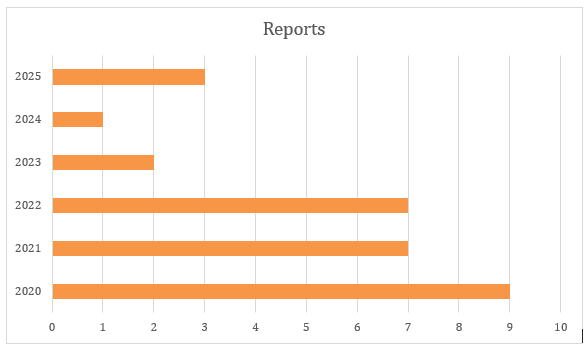
In considering the 2025 reports, it is helpful to note the variability in reporting across recent years. The number of BDGS submissions has fluctuated, with 9 reports submitted in 2020, 7 in both 2021 and 2022, 2 in 2023, 1 in 2024, and 3 in 2025. As noted in prior annual reports, BDGS submissions do not capture all campus experiences of bias, as underreporting is expected. Nonetheless, in the aggregate, these reports offer important insight into the types of experiences community members choose to bring forward.
Conclusion
The 2025 reports underscore the continued importance of the College’s commitment to addressing bias‑related incidents as part of its broader mission to prepare students for thoughtful engagement in a complex world. The insights gathered through BDGS—including subsequent follow‑up conversations and referrals where appropriate—inform the ongoing work of Human Resources, the Provost’s Office, and Student Development. This work includes providing support to individuals affected by bias‑related behavior and developing broader educational and professional development initiatives aimed at fostering a campus environment that supports rigorous academic dialogue, personal safety, and mutual respect. BDGS will monitor reporting trends, assess areas for improvement, and remain attentive to the experiences reflected in these reports as part of the College’s ongoing efforts to strengthen its learning and working environment.