Rethinking Productivity in Winter: Energy vs. Time Management

During the winter months, many of us notice that our usual productivity strategies feel harder to maintain. Shorter days, colder weather, and disrupted routines can affect motivation, focus, and stamina. When this happens, it can be helpful to shift from a strict time-focused mindset to one that also emphasizes energy management.

Time management helps us plan how we use our time. Energy management adds another layer by encouraging us to pay attention to when we have the capacity to do certain kinds of work—something that can matter even more in winter, when energy levels may be lower due to seasonal changes.

Why Winter Affects Energy

Seasonal changes can influence both physical and mental energy. Reduced daylight exposure is associated with changes in sleep patterns, mood, and alertness (National Institute of Mental Health [NIMH], 2023). Cold weather and fewer opportunities for movement can also contribute to fatigue and decreased concentration.

Research shows that chronic fatigue and stress can impair cognitive functioning and productivity, even when time is carefully scheduled (American Psychological Association [APA], 2023). In other words, managing time alone may not be enough when energy reserves are low. Taking energy levels into account when planning our time is essential, as energy—not just motivation—supports our ability to move from task initiation through sustained focus and completion.

Pro tip: For one week, check in with your energy levels throughout the day and jot down brief notes—without judgment. Understanding your natural energy rhythms can support more intentional planning.

What Energy Management Looks Like

Energy management focuses on when and how we use our effort, not just how long we work. This can include:

  • Scheduling more demanding tasks during periods of higher alertness
  • Allowing lighter or routine work during energy dips
  • Building in short recovery periods rather than pushing through exhaustion

One example of this approach is the Pomodoro method, which involves working in focused intervals (often 25 minutes) followed by short breaks (often 5 minutes). I’ve found that using structured work intervals helps me sustain focus while also giving myself permission to pause before fatigue sets in. Rather than working until I’m depleted, the built-in breaks support steadier energy throughout the day, reduce the urge to push past my limits and help maintain productivity over time.

Studies suggest that aligning work with natural energy rhythms can improve performance and reduce burnout (Schwartz & McCarthy, 2007).

Small Shifts That Can Help

Energy management doesn’t require a complete overhaul. Small adjustments can make a meaningful difference. These strategies are not about doing less work, but about supporting sustained focus, effectiveness, and well-being—particularly during periods when energy demands may shift.

  • Prioritize rest and sleep: Adequate sleep supports mood regulation, immune function, and focus (CDC, 2024).
  • Incorporate movement: Brief movement breaks can improve circulation and mental clarity, even in colder months.
  • Adjust expectations: Winter may not be the season for maximum output—and that’s okay. Productivity can be cyclical rather than constant.

These approaches recognize that wellness and effectiveness are closely linked.

Re-framing Productivity

Energy management encourages a more compassionate view of productivity —one that prioritizes sustained performance over short bursts of output. Instead of asking, “Why can’t I get everything done?” the question becomes, “What is realistic given my energy today?” Research on burnout indicates that self-compassion and realistic workload expectations are associated with better long-term performance and well-being (Maslach & Leiter, 2016). When we approach our work as whole people, we are better positioned to achieve consistent, sustainable results over time.

A Seasonal Perspective

For some, winter can be a time for maintenance rather than acceleration. Paying attention to energy—rather than forcing output—can support both personal well-being and sustainable work habits.

Reflection: Where might adjusting how or when you use your energy—rather than trying to manage time more tightly—help you feel more balanced this winter?

References
  1. American Psychological Association. (2023). Stress effects on the body. https://www.apa.org/topics/stress/body
  2. Centers for Disease Control and Prevention. (2024). Sleep and sleep disorders. https://www.cdc.gov/sleep
  3. Maslach, C., & Leiter, M. P. (2016). Burnout. Wiley.
  4. National Institute of Mental Health. (2023). Seasonal affective disorder. https://www.nimh.nih.gov/health/topics/seasonal-affective-disorder
  5. Schwartz, T., & McCarthy, C. (2007). Manage your energy, not your time. Harvard Business Review. https://hbr.org

Know Your Numbers: Blood Pressure, Cholesterol, and Why They Matter

February is American Heart Month, making it a good time to pause and reflect on heart health—not from a place of alarm, but from a place of awareness. Heart health is closely connected to everyday habits, stress levels, sleep, and access to preventive care. One simple and empowering step we can take is to know our numbers, including blood pressure and cholesterol levels.

Why “Knowing Your Numbers” Matters

Blood pressure and cholesterol are often called “silent” health indicators because they can be elevated without noticeable symptoms. According to the American Heart Association (AHA, 2023), un-managed high blood pressure and high cholesterol significantly increase the risk of heart disease and stroke, even in individuals who otherwise feel healthy.

Knowing these numbers provides useful information—not a diagnosis—and helps guide conversations with health care providers about prevention, lifestyle adjustments, or early intervention when needed.

Blood Pressure: What It Tells Us

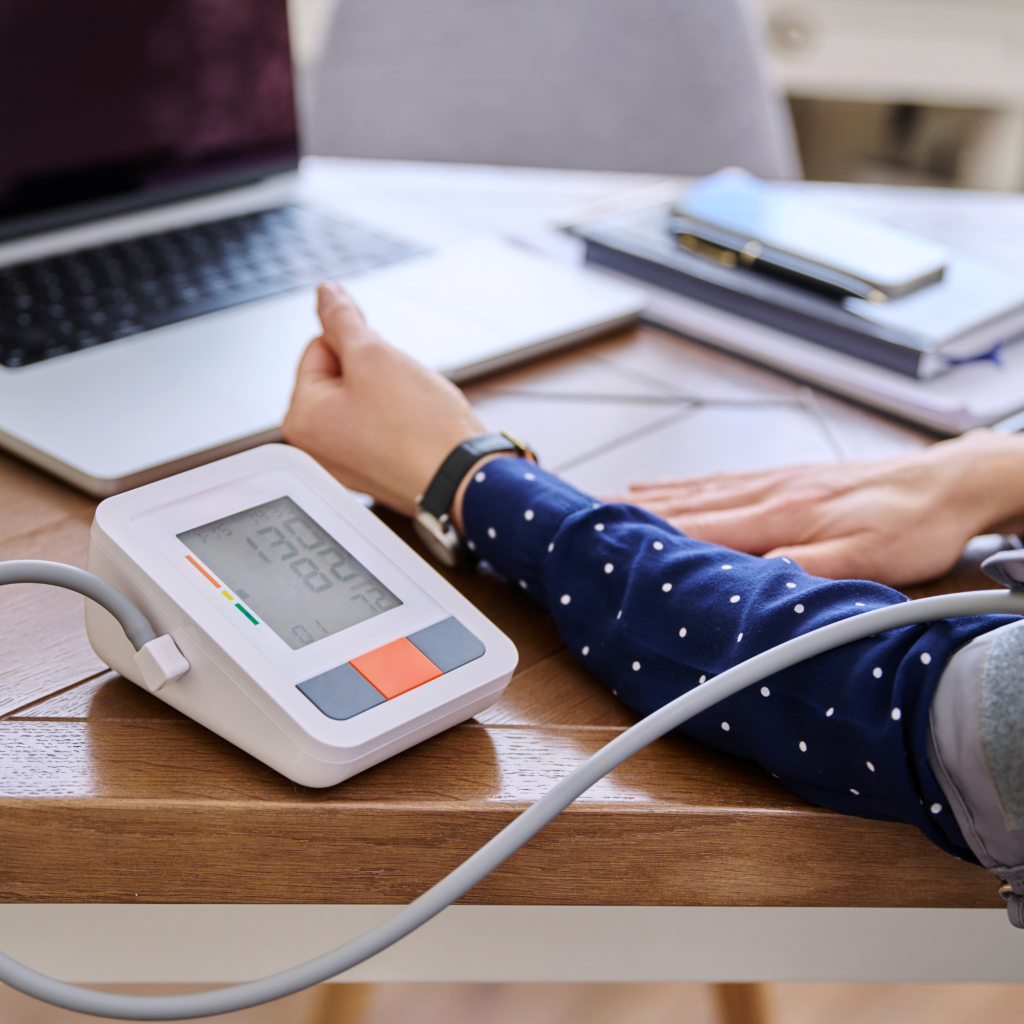
Blood pressure measures how hard the heart works to pump blood through the body. The Centers for Disease Control and Prevention (CDC, 2024) notes that long-term high blood pressure can strain the heart and damage blood vessels, increasing the risk of heart attack, stroke, and kidney disease. Stress, sleep disruption, diet, and physical activity all play a role, which is why heart health is closely linked to overall wellness.

Cholesterol: More Than One Number

Cholesterol levels reflect how fats move through the bloodstream. While cholesterol is necessary for the body, imbalances—particularly high LDL (“bad”) cholesterol—can contribute to plaque buildup in the arteries (National Heart, Lung, and Blood Institute [NHLBI], 2023). Regular screening helps identify potential risks early, often before symptoms appear.

Preventive Care Through ASR: No Employee Cost Sharing

Access to preventive care makes knowing your numbers easier. Through ASR Health Benefits, many preventive services—including routine screenings for blood pressure and cholesterol—are covered without employee cost sharing when obtained through in-network providers. Preventive care is designed to identify concerns early, support long-term health, and reduce the need for more intensive treatment later (U.S. Department of Health & Human Services [HHS], 2023).

Removing cost barriers to preventive care is an important wellness support, allowing individuals to seek routine screenings without financial hesitation.

Heart Health Is More Than Medical

Heart health is influenced not only by medical factors but also by stress, workload, relationships, and access to care. Research shows that chronic stress is associated with higher blood pressure and increased cardiovascular risk (American Psychological Association [APA], 2023). Wellness, therefore, is not just about numbers—but understanding them can be a meaningful starting point.

A Gentle Reminder

Knowing your numbers isn’t about perfection or fear. It’s about information, access, and choice. Preventive screenings, when paired with supportive benefits and informed conversations, can help us take small, proactive steps toward long-term health.

Reflection: What health number—or question—has been sitting in the background for you, and what support might help you approach it with more clarity?

References
  1. American Heart Association. (2023). Understanding blood pressure and cholesterol. https://www.heart.org
  2. American Psychological Association. (2023). Stress and health. https://www.apa.org/topics/stress
  3. Centers for Disease Control and Prevention. (2024). High blood pressure. https://www.cdc.gov/bloodpressure
  4. National Heart, Lung, and Blood Institute. (2023). High blood cholesterol. https://www.nhlbi.nih.gov
  5. U.S. Department of Health & Human Services. (2023). Preventive health services. https://www.healthcare.gov/preventive-care-benefits/

Prioritize Your Health: National Cancer Prevention Month Tips

Cancer continues to be a leading cause of illness worldwide, but the good news is that many cancers can be prevented through healthy lifestyle choices, early detection, and proactive healthcare. This February, in honor of National Cancer Prevention Month, we’re highlighting key steps to help you lower your cancer risk and enhance your overall well-being.

Step 1: Adopt Healthy Lifestyle Choices

Living a healthy lifestyle can significantly reduce your cancer risk. Here’s how you can take charge:

  • Eat a balanced diet – Focus on nutrient-rich foods like fruits, vegetables, whole grains, and lean proteins while cutting back on processed foods and added sugars.
  • Stay active – Aim for at least 150 minutes of moderate exercise each week, such as walking, cycling, or swimming.
  • Limit alcohol and avoid tobacco – Smoking is a major cancer risk factor, and alcohol use is linked to various cancers. Quitting smoking and moderating alcohol intake can have a huge impact on your health.
Step 2: Prioritize Screenings & Early Detection

Routine screenings can help detect cancer early, when treatment is most effective. Make sure to stay up-to-date on recommended screenings, including:

  • Mammograms for breast cancer detection
  • Colonoscopies for colorectal cancer screening
  • Pap smears for cervical cancer detection
  • Skin checks for changes in moles or new growth
  • Prostate screenings for men over 50 (or earlier if at higher risk)
  • Talk to your healthcare provider to determine which screenings are right for you based on your age, gender, and family history.
Step 3: Understand HPV & Cancer Risk

Human papillomavirus (HPV) is a common virus that can lead to certain cancers, including cervical, throat, and anal cancer. The good news? The HPV vaccine can prevent most of these cancers when administered at the recommended ages. If you or your family members haven’t been vaccinated, consider discussing it with your healthcare provider.

Step 4: Manage Stress & Prioritize Workplace Wellness

Chronic stress can weaken your immune system, increasing vulnerability to illness, including cancer. Managing stress effectively can boost your overall health:

  • Practice mindfulness – Meditation, deep breathing, or yoga can all reduce stress. If you’re new to mindfulness, YouTube has a wealth of guided sessions to help you get started. Stay tuned for upcoming wellness programs, too!
  • Get quality sleep – Aim for 7-9 hours per night to help your body stay strong and healthy.
  • Take breaks – Short walks, stretching, or simply stepping away from work for a few minutes can do wonders for your mental and physical well-being.
Your Health Benefits & Preventive Care

At Kalamazoo College, employee well-being is a top priority and key to creating a thriving community. We encourage you to take advantage of the following benefits aimed at supporting cancer prevention and early detection:

Outpatient Physician Services
  • Telemedicine E-Visits: Covered with $0 co-payment per visit and billed by Amwell. Use Service Key: ASRCOPAYWAIVED
  • Primary Care Provider Office Visits: $10 (orange plan) to $25 (black plan) co-payment per visit, with 100% coverage after the co-payment for in-network services.
  • Specialist Office Visits: $10 (orange plan) to $40 (black plan) co-payment per visit, with 100% coverage after the co-payment for in-network services.
Routine Preventive Care
  • Mammograms: 100% covered, with the deductible waived for routine mammograms. This includes other essential screenings like colonoscopies.
  • Flu Shots and Immunizations: 100% covered, with the deductible waived.
  • Preventive Screenings: Includes routine X-rays, and lab tests, all with 100% coverage for preventive services, including cancer screenings.

This February, make wellness a priority—schedule your preventive screenings and adopt healthier habits to safeguard your long-term health! For more details or to explore available wellness resources, reach out to Hr.Benefits@kzoo.edu.

References
  1. American Cancer Society: www.cancer.org
  2. Centers for Disease Control and Prevention (CDC): www.cdc.gov
  3. Kalamazoo College Healthcare Benefits: https://hr.kzoo.edu/benefits/healthcare/
  4. National Cancer Institute: www.cancer.gov

American Heart Month: Prioritizing Cardiovascular Health

Your heart works hard for you every day—let’s return the favor! February is American Heart Month, and it’s the perfect time to focus on cardiovascular health. Heart disease remains the leading cause of death in the U.S., but many risk factors are preventable through routine screenings, healthy habits, and stress management.

Why Heart Disease?

preventable through lifestyle choices and early detection. American Heart Month serves as a reminder to take proactive steps toward better heart health, including:

  • Maintaining a Healthy Diet – Incorporate more fruits, vegetables, whole grains, and lean proteins while reducing processed foods and added sugars. Pro-tip: Include food groups that make your plate as colorful as possible!
  • Staying Active – Engage in at least 150 minutes of moderate-intensity exercise per week, such as brisk walking, cycling, or yoga.
  • Managing Stress – Practice mindfulness techniques like meditation, deep breathing, or journaling to reduce stress levels.
  • Routine Check-Ups – Regular health screenings can detect high blood pressure, cholesterol issues, or other heart disease risk factors early on.
How Benefits at K Relates

At Kalamazoo College, we are committed to supporting your well-being. As part of our employee benefits package, you have access to a variety of free preventive care services that can help you stay on top of your heart health:

  • Blood Pressure Screenings – High blood pressure is a silent risk factor for heart disease. Get checked regularly!
  • Cholesterol & Diabetes Testing – These screenings help detect early warning signs of heart disease.
  • Weight & Nutrition Counseling – Get guidance on heart-healthy eating habits.
  • Smoking Cessation Programs – Resources are available to help you quit smoking for good.
  • Mental Health Support – Managing stress is key to heart health. Counseling services are included in your benefits.
Next Steps

Your health matters—take a proactive step toward a stronger heart today! If you have any questions about your wellness benefits, reach out to hr.benefits@kzoo.edu.

🩺 Schedule Your Free Preventive Screenings
Make an appointment with your healthcare provider for your annual heart health check-up. Most screenings are fully covered under our preventive care benefits.

🚶 Join the 10K Steps a Day Challenge!
Stay active and reduce your heart disease risk by taking 10,000 steps per day. Track your progress and stay motivated with coworkers!

🥗 Explore Heart-Healthy Dining Options
Visit the cafeteria to check out heart-smart meal options that support cardiovascular health. Pro-Tip: Ensure your plate contains a colorful array of food.

💡 Learn More
Log in to asrhealthbenefits.com to review your preventive care benefits and find in-network providers for heart health screenings.

References
  1. American Heart Association. (2025). “Life’s Essential 8: Your Checklist for Heart Health.” Retrieved from www.heart.org.
  2. Centers for Disease Control and Prevention. (2025). “Heart Disease Facts.” Retrieved from www.cdc.gov.