Kalamazoo College is saddened by the passing of Dr. George M. Nielsen. George retired from the Mathematics department in 1999.

Kalamazoo College is saddened by the passing of Dr. George M. Nielsen. George retired from the Mathematics department in 1999.
New students and colleagues arrive at K all year, with most people arriving to campus as the trees show off their beautiful hues and the night air becomes crisp. Help keep the Departmental Phonebook up to date so that students and colleagues know how to locate you.
Pro Tip: Not sure if your campus information needs to be updated? Search for yourself in the Departmental Phonebook. If the results are accurate, no action is needed. If the results are not accurate, select the button below.
Did you see that Forbes included Kalamazoo College as a Best Small Employer?
This is an important recognition for all of us – every decision that we make every day contributes to the K culture. Moments of kindness matter! Sometimes those moments feel big and sometimes those moments feel smaller. Every. Moment. Matters.
Thank you and Congratulations!
As we navigate through the ups and downs of life’s journey, it’s important for us to take a moment and reflect on the power of gratitude. We are reminded about the incredible impact that an attitude of gratitude can have on our workplace environment and our collective success.
Gratitude is not just about saying “thank you” for the sake of politeness; it goes far deeper than that. It is a mindset—a lens through which we view the world, our colleagues, and the opportunities presented to us. When we embrace gratitude, we cultivate an environment of positivity, respect, and appreciation. It allows us to recognize and celebrate the efforts of others, fostering a sense of camaraderie and unity within our community.
Expressing gratitude is not limited to grand gestures; it can be as simple as acknowledging a job well done, offering a kind word of appreciation, or taking a moment to listen and empathize with a colleague. By showing genuine gratitude, we uplift one another, boost morale, and support a workplace that inspires collaboration, creativity, and growth.
In the midst of deadlines, challenges, and the ever-evolving demands of our roles, it can be easy to overlook the many fortunes that we have. However, by consciously practicing gratitude, we develop resilience, perspective, and an ability to find joy in both the big and small wins.
All of us are encouraged to take a moment each day to reflect on the positive aspects of our work, the support we receive from one another, and the opportunities we have to make a difference. Let’s make gratitude an integral part of our interactions, not only during meetings or special occasions but also in our day-to-day interactions. Remember, a heartfelt “thank you” can have a profound effect on someone’s day and inspire them to continue giving their best.
Together, let’s fully commit to a workplace culture that thrives on gratitude—a culture where appreciation and recognition are woven into the fabric of our team. By embracing an attitude of gratitude, we will not only enhance our own well-being but also contribute to a stronger, more harmonious work environment that propels us towards greater achievements.
So, write the note, send the kudos, and be the change that you want to see.
Thank YOU!

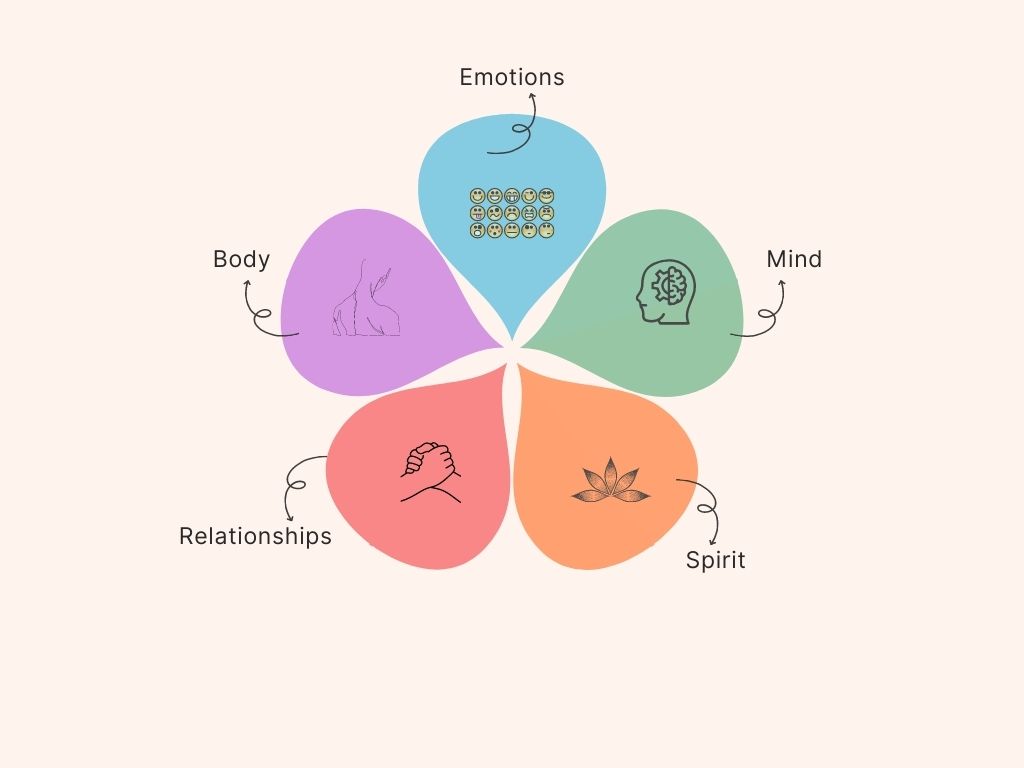
There is no “one-size-fits-all” self-care plan, but there is a common thread to all self-care plans: making a commitment to attend to all the domains of your life, including your physical and psychological health, emotional and spiritual needs, and relationships.
Think of your self-care plan as a roadmap — with planned vehicle maintenance, travel activities and rest stops along the way.
FREE Local Event: Mental Health Fair
Kalamazoo Valley Museum
Saturday, May 20, 2023 | 1-3pm
Learn about local resources that promote mental health, including Gryphon Place, WMU Therapy Dogs, Disability Network Southwest Michigan and more. The event is free and directly tied to the current special exhibit Mental Health: Mind Matters, open through June 18. Learn More
On CampusMental Health First Aid Workshop
Wednesday, June 14
9:00am – 3:30pm
Mental Health First Aid is a nationally-recognized course that teaches participants how to identify, understand, and respond to signs of mental health and substance use issues. The training gives participants the skills you need to reach out, provide initial help, and support to someone who may be developing a mental health or substance use problem or experiencing a crisis. Learn more.
Don’t be overwhelmed by the steps in this process! They will help to guide you on your path.
Identify what you do now to manage the stress in your life.
The way you live your life can have a big impact on your health, well‐being, and how well or poorly you handle stress. Below are lifestyle behaviors that affect stress levels. Doing an honest assessment of how well or poorly you take care of yourself can help you manage your stress in the future. Decreasing or eliminating at least one “negative” coping strategy can be one of the goals of your maintenance self-care; employing more “positive” strategies can be another.
| When you are under stress, do you: | Yes | No | When you are under stress, do you: | Yes | No |
|---|---|---|---|---|---|
| Smoke/use tobacco | Engage in physical activity at least three times a week for 30 minutes each day | ||||
| Drink a lot of coffee or caffeinated drinks (more than 2‐3 cups per day) | Get six to eight hours of sleep every night | ||||
| Drink alcohol (more than recommended levels of 1‐2 per day) | Maintain good eating habits | ||||
| Overuse over‐the‐counter medications | Make time to relax | ||||
| Overeat or under eat | Maintain a sense of humor | ||||
| Spend too much money on non-essentials | Be optimistic. Engage in positive thinking | ||||
| Watch too much television (more than 3‐4 hours per day) | Maintain healthy rituals and routines | ||||
| Have angry outbursts | Play | ||||
| Take illegal drugs | Spend time with family or friends | ||||
| Withdraw from people | Make plans for the future | ||||
| Ignore or deny stress symptoms | Figure out ways to manage stress | ||||
| Engage in self‐destructive relationships | Reward yourself for your accomplishments | ||||
| These are negative self‐care behaviors. | These are positive self‐care behaviors. |
The Self-Care Assessment will help you highlight the good things you are already doing for yourself and whether there is an imbalance in the areas in which you practice self-care.
The items in this assessment can also give you some ideas for additional things you may want to do in the future to help prevent stress and burnout and to maintain and enhance your well-being. Make a note of the items that you would like to add (or add more of) to your self-care practice. In considering this, try to be sure that each domain of self-care is well represented. If you think of things that are not included in this list, just add them at the end.
Adapted from Saakvitne, Pearlman, & Staff of TSI/CAAP (1996). Transforming the pain: A workbook on vicarious traumatization. Norton.
The following worksheet for assessing self-care is not exhaustive, merely suggestive. Feel free to add areas of self-care that are relevant for you and rate yourself on how often and how well you are taking care of yourself these days.
When you are finished, look for patterns in your responses. Are you more active in some areas of self-care but ignore others? Are there items on the list that make you think, “I would never do that”? Listen to your inner responses, your internal dialogue about self-care and making yourself a priority. Take particular note of anything you would like to include more in your life.
Rate the following areas according to how well you think you are doing:
___ Eat regularly (e.g. breakfast, lunch, and dinner)
___ Eat healthily
___ Exercise
___ Get regular medical care for prevention
___ Get medical care when needed
___ Take time off when sick
___ Get massages
___ Dance, swim, walk, run, play sports, sing, or do some other fun physical activity
___ Get enough sleep
___ Wear clothes I like
___ Strive for balance within my work-life and work day
__ Strive for balance among work, family, relationships, play, and rest
___ Other:
___ Take day trips or mini-vacations
___ Make time away from telephones, email, etc
___ Make time for self-reflection
___ Notice my inner experience – listen to my thoughts, beliefs, attitudes, feelings
___ Have my own personal psychotherapy
___ Write in a journal
___ Read literature that is unrelated to work
___ Do something at which I am not expert or in charge
___ Attend to minimizing stress in my life
___ Engage my intelligence in a new area, e.g., go to an art show, sports event, theatre
___ Be curious
___ Say no to extra responsibilities sometimes
___ Other:
___ Spend time with others whose company I enjoy
___ Stay in contact with important people in my life
___ Give myself affirmations, praise myself
___ Love myself
___ Re-read favorite books, re-view favorite movies
___ Identify comforting activities, objects, people, places and seek them out
___ Allow myself to cry
___ Find things that make me laugh
___ Express my outrage in social action, letters, donations, marches, protests
___ Other:
___ Make time for reflection
___ Spend time in nature
___ Find a spiritual connection or community
___ Be open to inspiration
___ Cherish my optimism and hope
___ Be aware of non-material aspects of life
___ Try at times not to be in charge or the expert
___ Be open to not knowing
___ Identify what is meaningful to me and notice its place in my life
___ Meditate
___ Pray
___ Sing
___ Have experiences of awe
___ Contribute to causes in which I believe
___ Read inspirational literature or listen to inspirational talks, music
___ Other:
___ Schedule regular dates with my partner/spouse
___ Schedule regular activities with my children
___ Make time to see friends
___ Call, check on, or see my relatives
___ Spend time with my companion animals
___ Stay in contact with faraway friends
___ Make time to reply to personal emails and letters; send holiday cards
___ Allow others to do things for me
___ Enlarge my social circle
___ Ask for help when I need it
___ Share a fear, hope, or secret with someone I trust
___ Other:
___ Take a break during the workday (e.g., lunch)
___ Take time to chat with co-workers
___ Make quiet time to complete tasks
___ Identify projects or tasks that are exciting and rewarding
___ Set limits with colleagues
___ Balance my workload so that no one day or part of a day is “too much”
___ Arrange work space so it is comfortable and comforting
___ Get regular supervision or consultation
___ Advocate for my needs
___ Have a peer support group
___ Other:
“Maintenance self-care” refers to the activities that you have identified as important to your well-being and that you have committed to engage in on a regular basis to take care of yourself.
It is also useful to identify possible barriers or obstacles that could get in the way of implementing and/or maintaining these new activities. Think about what you anticipate these barriers/obstacles to be, how you can address them, and how you can remind yourself to follow your plan. If you have chosen to limit or eliminate a negative coping strategy that you currently use, note this as well.
You can revisit this topic and revise your list as the demands of your personal and professional life change.
So far we have focused on maintenance self-care: the kinds of things one does regularly to reduce stress and maintain and enhance well-being. But planning out what you would do under extremely trying circumstances, even though they are rare, is also important. To do this, develop a framework using your Emergency Self-Care Plan before you are faced with a crisis or feel overwhelmed. This is not to suggest that you will invariably face such a situation; the idea is to be prepared just in case.
Why do I need to do this? It is very hard to think of what to do for yourself when things get tough. It is best to have a plan ready for when you need it.
What should be in it? Consider 3 general areas: what to do, what to think, and what to avoid.
Think of developing your emergency self-care plan in the way you would think about preparing for other possible emergency situations: it is important to figure out your plan in advance when you have the time, wherewithal, and concentration to do so effectively!
Remember: Just like the flight attendant says, you need to put on your own oxygen mask first before you can be of help to others. So, take a moment, think it over, and then make your personal commitment to your own self-care. You deserve it!
If you find making a commitment to be a challenge, then take some time to explore your reservations. Do you have a tendency to put the needs of others first? The truth is that your self-care is not only essential to your well-being, but it is also a necessary element for you to be effective and successful in honoring your professional and personal commitments.
Preparing a plan is important; it identifies your goals and the strategies to achieve them. However your success in implementing your plan is ultimately based on the level of commitment you make to your self-care.
Once you have developed your plan and made your commitment, remember that friends, family, peers, and/or colleagues may be good additional resources for exchanging new self-care ideas/strategies and to provide support and encouragement.
Now that you have completed the assessments and worksheets described above, you have identified the core elements of your personal Self-Care Plan. The final step is to implement your plan and keep track of how you are doing. Keeping track of your progress will help you recognize your successes and identify and address any difficulties you may not have anticipated. Don’t forget that you can revise your plan as needed. Remember, also, to employ your emergency plan should emotionally difficult circumstances arise.
Remember that self-care is always a work in progress!
(Prepared by Lisa D. Butler, PhD, based in part on materials provided by Sandra A. Lopez, LCSW, ACSW, University of Houston, Graduate School of Social Work)
Woo hoo!!! It’s open enrollment time again! It’s that time of year when benefits-eligible colleagues and pre-65 retirees re-authorize or change their health, dental, vision, and life insurance decisions. Be in the know and know what to do!
Tuesday, May 9
8:30am – 4:00pm
Hicks Banquet Room
| Organization | Their Role | Specialty | Sample Questions |
|---|---|---|---|
| ASR | Our “health insurance” and claims administrator | Health, dental, vision claims | Why do I get a really high bill followed by a much lower bill the same service? How do I find out which providers are in-network? |
| Burnham & Flower Group | Agent of record and flexible spending administrator | Claim assistance, flexible spending | How do I know that my bill is accurate? What are the benefits of flexible spending? |
| TIAA | Retirement plan recordkeeper and participant advising | Retirement planning | How do I find out if I am on track to meet my retirement goals? What is the difference between pre- and post-tax retirement contributions? |
| Unum | Provider of life insurance and related plans | Life, accident, and long-term disability | How do I know if I have the right amount of life insurance? What is accident insurance? |
Stop by for a few minutes!
Learn about what is changing and what is remaining the same by attending an information sessions.
| For Whom | When | Where |
|---|---|---|
| K employed colleagues | Tuesday, May 16 at 10:30am | Hicks banquet room east |
| Pre-65 retirees and K employed colleagues who are planning for retirement | Tuesday, May 16 at 11:00am | Hicks banquet room east |
| K employed colleagues | Wednesday, May 17 at 4pm | Hicks banquet room east |
Not able to attend any of these? That’s ok! We’ve got you covered!
Get personalized assistance to help complete your enrollment or declination online. You can bring your health insurance plan questions here too!
| For Whom | When | Where |
|---|---|---|
| K employed colleagues and pre-65 retirees | Wednesday, May 24 from 1-3pm | Library, room 118 |
| K employed colleagues and pre-65 retirees | Tuesday, May 30 from 9-11:30am | Library, room 118 |
Open Enrollment: May 19 – June 2, 2023
Log on to HornetHQ during Open Enrollment, make your selections, and submit. That’s it!
Best Practice: Retain a copy of your enrollment for your records.
Contact miasha.wilson@kzoo.edu or any member of the Human Resources team with questions.

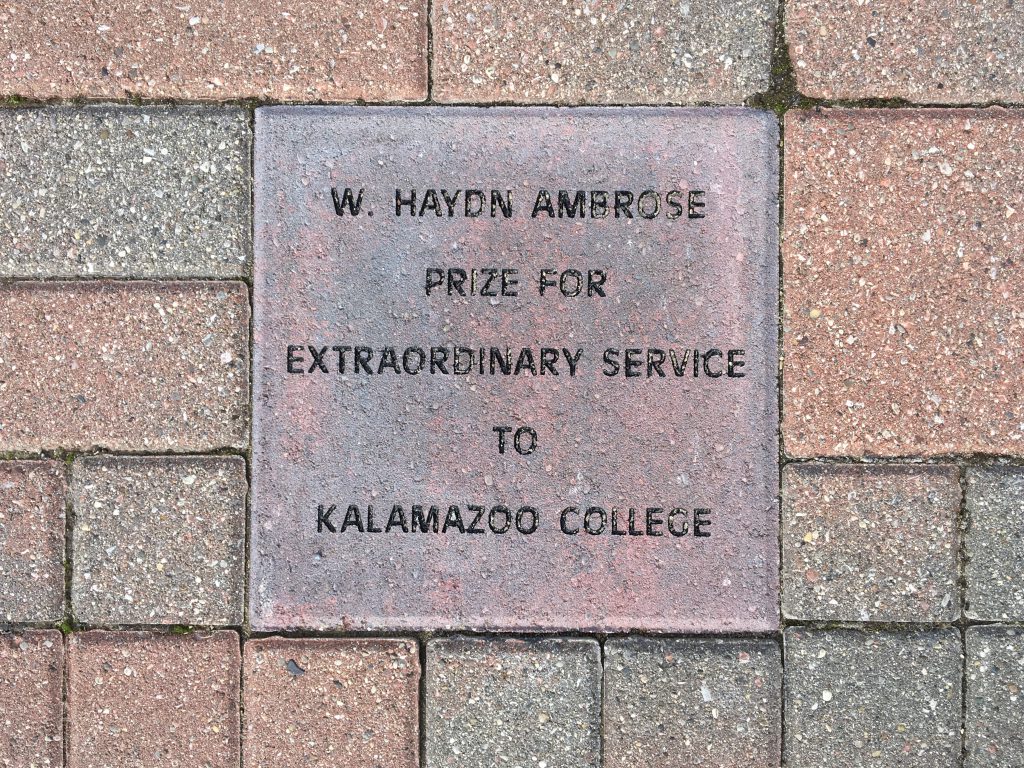
The Ambrose Prize is the highest award conferred on a staff member and can only be earned one time in a person’s career at K.
Nominations accepted through Friday, April 21, 2023.
All staff members are eligible, regardless of the length of service or number of hours worked per year. Nominations will be retained for a period of three years. If a nomination was received in the past and continued support exists, additional documentation may be submitted to append to the original nomination. The Award recipient will be announced during the fall All Campus Gathering.

Tomorrow is Random Acts of Kindness Day!
Celebrated on February 17, the Random Acts of Kindness movement inspires people every day. As a favorite celebration for many, people everywhere are enjoying doing these acts of kindness. Not only do the acts of kindness bring joy to the receiver, but they spread positive reactions to the giver, too!
One of the most important characteristics is that nothing is expected in return. Other important characteristics include patience, honesty, and being a good listener. Check out the quick video below for inspiration and/or consider these examples.

Remember even on your toughest days, you are still planting seeds and making a difference. These seeds grow and influence our students’ lives. It’s not just the content you share, the connections you make, but also the care that you show.
You impact their lives forever. ~Anonymous

Do you know someone who owns their home and was/is experiencing financial hardship related to the pandemic? If so, please share this information.
The Homeowner Assistance Fund (MIHAF) provides funds to prevent homeowner mortgage delinquencies, defaults, foreclosure, loss of utilities or home energy services, and displacements of homeowners experiencing financial hardship on or after January 21, 2020.
Visit the Homeowner Assistance Fund site for details including eligibility, instructions to apply, and required documentation.