HR BUZZ: Bone Health: A Comprehensive Guide and Tips

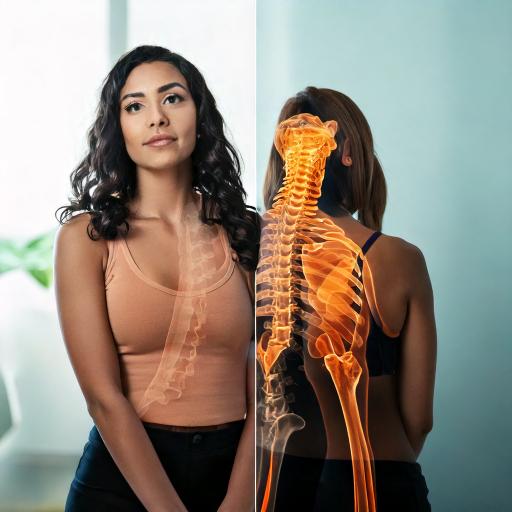
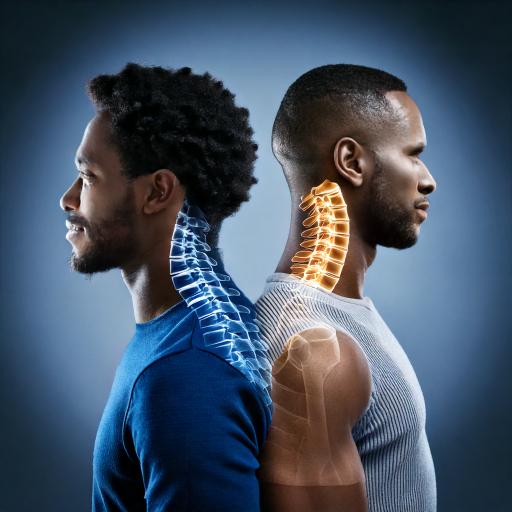
Bone health is essential for overall well-being, impacting mobility, strength, and the risk of various diseases. Understanding how bone health varies across genders, including non-binary individuals, can help us adopt better practices to enhance our skeletal system. This article outlines bone health considerations for different genders and provides practical tips for you to improve your bone health.

Bone Health in Non-Binary Individuals

Non-binary individuals may face unique challenges related to bone health, especially due to the societal pressures and health disparities that can affect them. Hormonal treatments, if applicable, can influence bone density, similar to the effects seen in women and men.

Key Factors for Non-Binary Individuals:
  • Personalized Nutritional Needs: Just like in women and men, ensuring adequate intake of calcium and vitamin D is vital, adjusted for individual health needs.
  • Physical Activity: Engaging in a mix of cardiovascular and strength-training exercises can support bone health.
  • Mental Health Considerations: Addressing stress and mental health is important, as anxiety and depression can lead to sedentary behavior, negatively impacting bone health.
Bone Health in Women

Women generally experience unique bone health challenges, especially related to hormonal changes throughout their lives. Factors such as menstruation, pregnancy, and menopause can significantly impact bone density. Post-menopausal women are at a heightened risk for osteoporosis due to declining estrogen levels, which plays a crucial role in maintaining bone density.

Key Factors for Women:
  • Calcium and Vitamin D: Adequate intake is essential for bone formation. Women should aim for 1,000-1,200 mg of calcium daily, depending on age and life stage.
  • Weight-Bearing Exercises: Activities like walking, running, and strength training help build and maintain bone density.
  • Avoiding Smoking and Excessive Alcohol: Both can lead to decreased bone density and increased fracture risk.
Bone Health in Men

Men also face distinct challenges concerning bone health, although the risks often manifest differently than in women. While men generally have a higher bone mass, they are still at risk for osteoporosis, especially as they age. Testosterone plays a significant role in maintaining bone density, and lower levels can lead to bone loss.

Key Factors for Men:
  • Nutritional Needs: Men should also aim for sufficient calcium and vitamin D, typically around 1,000-1,200 mg of calcium daily.
  • Regular Physical Activity: Engaging in resistance training and high-impact sports can improve bone strength.
  • Monitoring Hormonal Levels: Men should consult healthcare providers if they suspect low testosterone levels, as this can significantly impact bone health.
Practical Tips for You to Improve Bone Health

Regardless of gender identity, you can adopt various practices to promote better bone health. Here are some actionable tips:

  1. Incorporate Weight-Bearing Exercises: Incorporate short walks during breaks, opt for stairs instead of elevators to encourage movement throughout the day or if mobility presents a challenge, consider seated options or the use of resistance bands.
  2. Healthy Snack Options: Keep snacks high in calcium, such as yogurt, cheese, or fortified plant-based alternatives. Almonds and leafy greens are also excellent choices.
  3. Stay Hydrated: Proper hydration aids overall health, including bone health. Drinking water regularly throughout the day is beneficial.
  4. Mindful Sun Exposure: Sunlight helps the body produce vitamin D, which is crucial for calcium absorption. You should aim for safe sun exposure or consider supplements, if necessary, under a healthcare provider’s guidance.
  5. Stress Management: Incorporate stress-reducing practices such as mindfulness, yoga, or even brief relaxation exercises during work hours to support overall well-being.
  6. Regular Health Check-ups: Get regular screenings and discuss any concerns about bone health with healthcare providers.
  7. Limit Caffeine and Salt: Excessive intake of caffeine and salt can hinder calcium absorption. Moderation is key.
  8. Educational Workshops: Attend workshops focusing on nutrition and physical activity to raise awareness about bone health.
Conclusion

Bone health is critical across all genders and identities, affecting quality of life and mobility. By understanding the specific challenges each group faces and implementing practical strategies, we can foster a culture of health and wellness that supports strong bones for everyone.

References
  • Cosman, F., de Beur, S. J., LeBoff, M. S., et al. (2014). Clinical practice guidelines for glucocorticoid-induced osteoporosis: A systematized review. Journal of Clinical Endocrinology & Metabolism, 99(8), 663-683. https://doi.org/10.1210/jc.2014-1441
  • National Osteoporosis Foundation. (2020). Clinician’s guide to prevention and treatment of osteoporosis. https://www.nof.org/wp-content/uploads/2019/10/NOF_CliniciansGuide_2020.pdf
  • Weaver, C. M., & Heaney, R. P. (2015). Calcium. In Dietary Reference Intakes: The Essential Guide to Nutrient Requirements (pp. 267-305). National Academies Press. https://doi.org/10.17226/13050
  • Looker, A. C., & Colsher, P. (2020). Trends in osteoporosis and related fractures among older adults in the U.S. American Journal of Public Health, 110(6), 835-842. https://doi.org/10.2105/AJPH.2020.305830

Breaking the Silence: Promoting Mental Health Awareness During Mental Illness Awareness Week

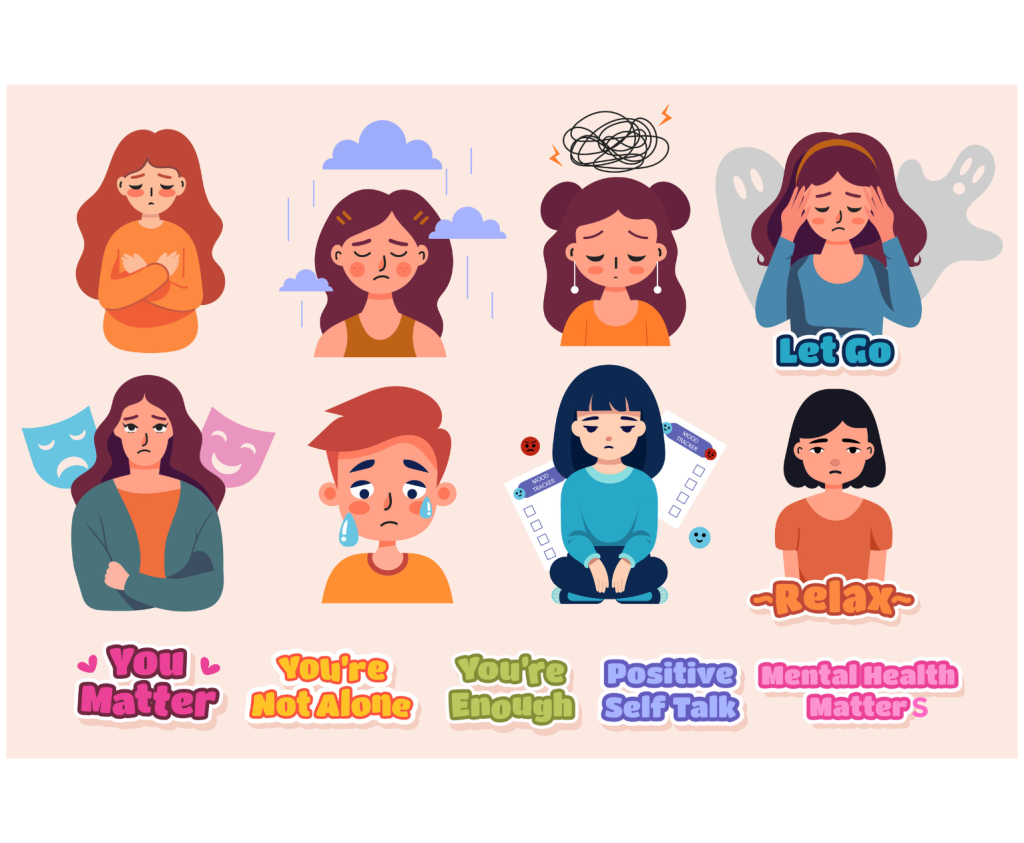
As we progress through Mental Illness Awareness Week (October 6 to October 12), it’s crucial for each of us to take a moment to reflect on the importance of mental health in our lives. Mental health is just as essential as physical health, yet it often carries a stigma that prevents many from seeking the help they need. This week serves as a powerful reminder that it’s okay to talk about mental health and that seeking support is a sign of strength.

Understanding Mental Illness

Mental illness affects millions of people globally, with conditions ranging from anxiety and depression to bipolar disorder and schizophrenia. These are real, medical conditions that can impact every aspect of life—our relationships, our work, and our overall happiness. Unfortunately, the stigma surrounding mental illness can lead individuals to feel isolated and reluctant to seek help.

Recognizing that mental health issues are not a sign of weakness is crucial. Just as you would consult a doctor for a physical ailment, prioritizing your mental well-being is essential for leading a fulfilling life.

Why This Matters

Ignoring mental health challenges can have serious repercussions, not only on personal well-being and relationships but also on workplace dynamics and productivity. When we openly discuss mental health and encourage one another to seek help, we create a supportive community where everyone feels valued.

Activities to Promote Good Mental Health

To foster a culture of well-being, consider engaging in the following activities during Mental Illness Awareness Week and beyond:

  1. Mindfulness and Meditation: Explore mindfulness practices through apps or local workshops. These techniques can help reduce stress and enhance focus.
  2. Take a Mental Health Day: Don’t hesitate to take a day off for self-care. A break can provide the space needed to recharge and regain perspective.
  3. Join Support Groups: Whether virtual or in-person, support groups can offer a safe space to share experiences and coping strategies with others who understand.
  4. Resource Sharing: Educate yourself about mental health resources available in your community or online. Knowing where to turn for help is vital.
  5. Physical Activity: Engage in physical activities, whether it’s joining a gym, going for a walk, or participating in a local sports league. Exercise is proven to boost mood and alleviate stress.
  6. Lunch and Learn Sessions: Attend informal gatherings focused on mental health topics. Learning more about mental wellness can help reduce stigma and promote understanding.
  7. Creative Outlets: Engage in creative activities like painting, writing, or music. These outlets can provide therapeutic benefits and help express emotions.
  8. Anonymous Feedback: If you have suggestions for mental health resources or activities at work, consider sharing your thoughts anonymously to foster a culture of improvement.
The Importance of Seeking Professional Help

One of the most significant steps you can take for your mental health is to seek professional help when needed. Just like you would consult a doctor for a physical issue, reaching out to a mental health professional is essential when dealing with mental health challenges. Therapy, counseling, and other forms of professional support can lead to significant improvement and well-being.

Remember, seeking help is a proactive step toward healing and growth. It’s okay to ask for help, and it’s essential to prioritize your mental health.

BHS EAP Services Available to You

At K College, we understand the importance of mental health support for every employee. That’s why we offer Behavior Health Systems’ Employee Assistance Program (EAP) services to all K College employees, regardless of benefit status, which includes six (6) free, annual visits with a licensed counselor.

These services include:

  • Assessment and short-term counseling for a variety of issues including:
    • Marital/Family
    • Interpersonal Relationships
    • Stress-Related Problems
    • Depression
    • ADD/ADHD
    • Work-Related Problems
    • Alcohol & Drug Abuse
    • Life Transitions
  • All levels of mental health providers covered (Masters, Psychologist, and Psychiatrist)
  • Face-to-face assessment on every case
  • Personalized touch (i.e., live reception)

If you need support, please call 800-245-1150 or visit www.behavioralhealthsystems.com for more information and resources. Our BHS Care Coordinator is Stacey Grayson.

Desiring More Informational Resources?

Here are some resources that can be referenced for the information discussed in the article on mental health awareness:

  1. National Alliance on Mental Illness (NAMI): Provides extensive information on mental health conditions, resources for support, and advocacy for reducing stigma.
  2. Mental Health America (MHA): Offers resources, screenings, and information on mental health topics and awareness campaigns.
  3. Centers for Disease Control and Prevention (CDC): Provides statistics and information on mental health issues and the importance of mental health in overall well-being.
  4. World Health Organization (WHO): Focuses on global mental health issues and promotes awareness and education around mental health.
  5. Behavioral Health Systems (BHS): Information on Employee Assistance Programs (EAP) and mental health services for employees.
  6. American Psychological Association (APA): Offers resources on mental health research, treatments, and strategies for promoting mental wellness.

These resources can provide further reading and support for anyone interested in learning more about mental health awareness and reducing stigma.

Conclusion

As we observe Mental Illness Awareness Week, let’s take the opportunity to break the silence surrounding mental health. By reducing stigma, promoting good mental health practices, and encouraging professional help, we can create a more supportive and understanding community. Remember, taking care of your mental health is just as crucial as caring for your physical health. Let’s start the conversation and support one another on this journey toward well-being.

Breast Care Awareness: Understanding, Prevention, and Action for All

Breast care awareness is a vital component of health that is not limited to women. Breast cancer is one of the most common cancers globally, affecting individuals of all genders, including men and non-binary individuals. Prioritizing breast health is essential for early detection and successful treatment. This article will explore the importance of breast care, the significance of early detection, and actionable steps everyone can take to promote awareness and health.

The Importance of Breast Health

In the United States, breast cancer affects 1 in 8 women, but it also impacts men, with about 1 in 833 men diagnosed each year (American Cancer Society, 2023). Non-binary individuals, who may have breast tissue, are also at risk. Understanding risk factors, symptoms, and screening recommendations can empower all individuals to take control of their breast health.

Set of people with awareness ribbons on color background. World Cancer Day
Risk Factors

Several risk factors contribute to breast cancer, regardless of gender:

  • Genetics: Family history is a significant factor. Mutations in BRCA1 and BRCA2 genes increase breast cancer risk for all genders (National Cancer Institute, 2023).
  • Age: Risk increases with age, especially after 55.
  • Lifestyle Choices: Alcohol consumption, obesity, and lack of physical activity elevate risk for everyone.
  • Hormonal Factors: Conditions such as early menstruation or hormone replacement therapy can influence breast cancer risk across genders.

By understanding these factors, individuals can make informed decisions about their health.

The Significance of Early Detection

Early detection is critical for improving breast cancer survival rates. When diagnosed early, the 5-year survival rate can be as high as 99% (American Cancer Society, 2023). Regular screenings and self-examinations can help identify abnormalities before they progress.

Recommended Screening Guidelines

The American Cancer Society provides the following guidelines:

  • Individuals aged 40-44: Optional annual mammograms.
  • Individuals aged 45-54: Annual mammograms.
  • Individuals 55 and older: Transition to mammograms every two years or continue yearly.
  • High-risk individuals: May need to start screening earlier or include MRI scans.

It’s essential for everyone, including men and non-binary individuals, to consult healthcare providers to determine the most appropriate screening strategy based on their specific needs.

Self-Examinations: An Essential Tool

Self-examinations play a crucial role in breast care for all individuals. Familiarity with the normal appearance and feel of breast tissue allows for the early identification of changes. The best time for a self-exam is a few days after menstruation for those who menstruate, as breasts are less likely to be swollen or tender.

How to Perform a Self-Examination

  1. Visual Inspection: Stand in front of a mirror with arms at your sides and then raise your arms overhead. Look for any changes in shape, size, or color.
  2. Physical Examination: Use the pads of your fingers to gently press around the entire breast and underarm area, checking for any lumps or changes.
  3. Record Findings: Keeping a journal of any changes can be helpful for discussions with healthcare providers.
Promoting Awareness

Breast care awareness is not just a personal responsibility; it requires community involvement. Educational campaigns can help dispel myths about breast cancer and increase screening rates among all genders. Initiatives like Breast Cancer Awareness Month in October provide a platform for organizations to share valuable information and resources.

Community Resources

  • Local Health Departments: Often offer free or low-cost mammogram services.
  • Support Groups: Create safe spaces for individuals of all genders to share experiences and learn from each other.
  • Online Resources: Websites like the American Cancer Society and the National Breast Cancer Foundation provide up-to-date information on breast health, screening, and support.
Conclusion: Take Action

Breast care awareness is an inclusive issue that affects everyone. By understanding risk factors, advocating for regular screenings, and performing self-examinations, individuals can significantly impact their health and the health of those around them. It’s crucial to foster conversations about breast health, dispel misconceptions, and promote regular check-ups for all.

For more information and resources, individuals can visit the American Cancer Society’s website or contact their healthcare providers. Remember, early detection saves lives—prioritize your breast health, regardless of your gender. Now is the perfect time to schedule a routine, preventative check-up with your primary care physician!

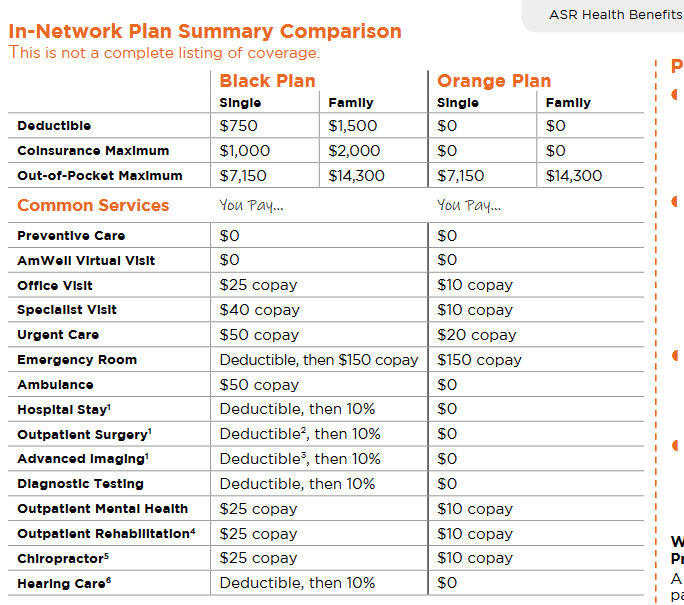
For your reference, the section, from Kalamazoo College’s 2024 Benefits Guide, comparing the in-network benefit for the medical plans is provided as an image below. If you click the image, you will be taken to HR’s Open Enrollment May 2024 webpage where the URL code for the full Benefits Guide is shared.

A chart that compares the in-network features of our medical plan with ASR.  For full comparison please refer to the most recent benefits guide by clicking the image.
References
  1. American Cancer Society. (2023). Breast Cancer Facts & Figures 2023-2024.
  2. National Cancer Institute. (2023). Breast Cancer Risk Factors.